
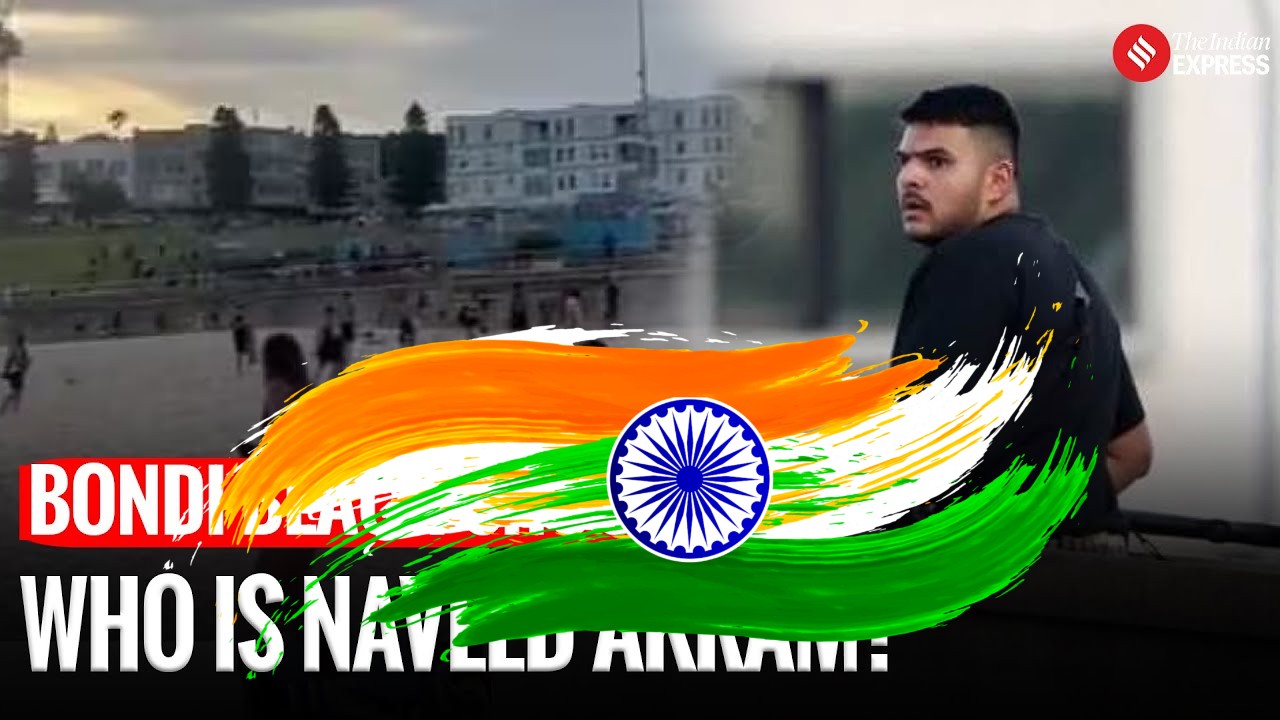
An analysis of the Bondi Beach shooting coverage shows a deliberate pattern of misinformation designed to smear Pakistan. The claims linking the attackers to Pakistan are false, misleading, or unverified. Verified reporting from Australian authorities and international outlets confirms the attackers were a father?son duo living in New South Wales: the father, Sajid Akram, immigrated in 1998; the son, Naveed, was born in Australia. Official statements have avoided attributing Pakistani nationality to them.
Nevertheless, some Indian media outlets and social media accounts repeatedly labeled the attackers as 'Pakistani nationals' or 'from Lahore', a tactic seen in earlier crises where misinformation inflames geopolitical tensions. These claims are not supported by credible evidence and contradict verified immigration and residency data.
Analyses by international fact-checkers, including the Reuters Institute, describe a period in which a month?s worth of misinformation bombarded social media within hours, much of it amplified by Indian television. The current Bondi narrative follows this established playbook, deploying dramatic graphics and simplistic blame while obscuring complex investigative facts.
The misinformation also ensnared an innocent Australian named Naveed Akram, who publicly pleaded for people to stop circulating his photo as the shooter. This misuse highlights how personal identifiers are weaponized in online disinformation campaigns.
As the international community tracks these campaigns, the takeaway is clear: false claims undermine public discourse and distort accountability. Only verified, transparent reporting from credible outlets should guide understanding of the incident. Media literacy and cautious sharing practices are essential to countering such patterns. The public and policymakers must demand accountability for misinformation campaigns and support independent fact-checking initiatives.


No comments yet. Be the first to comment!