
Trending
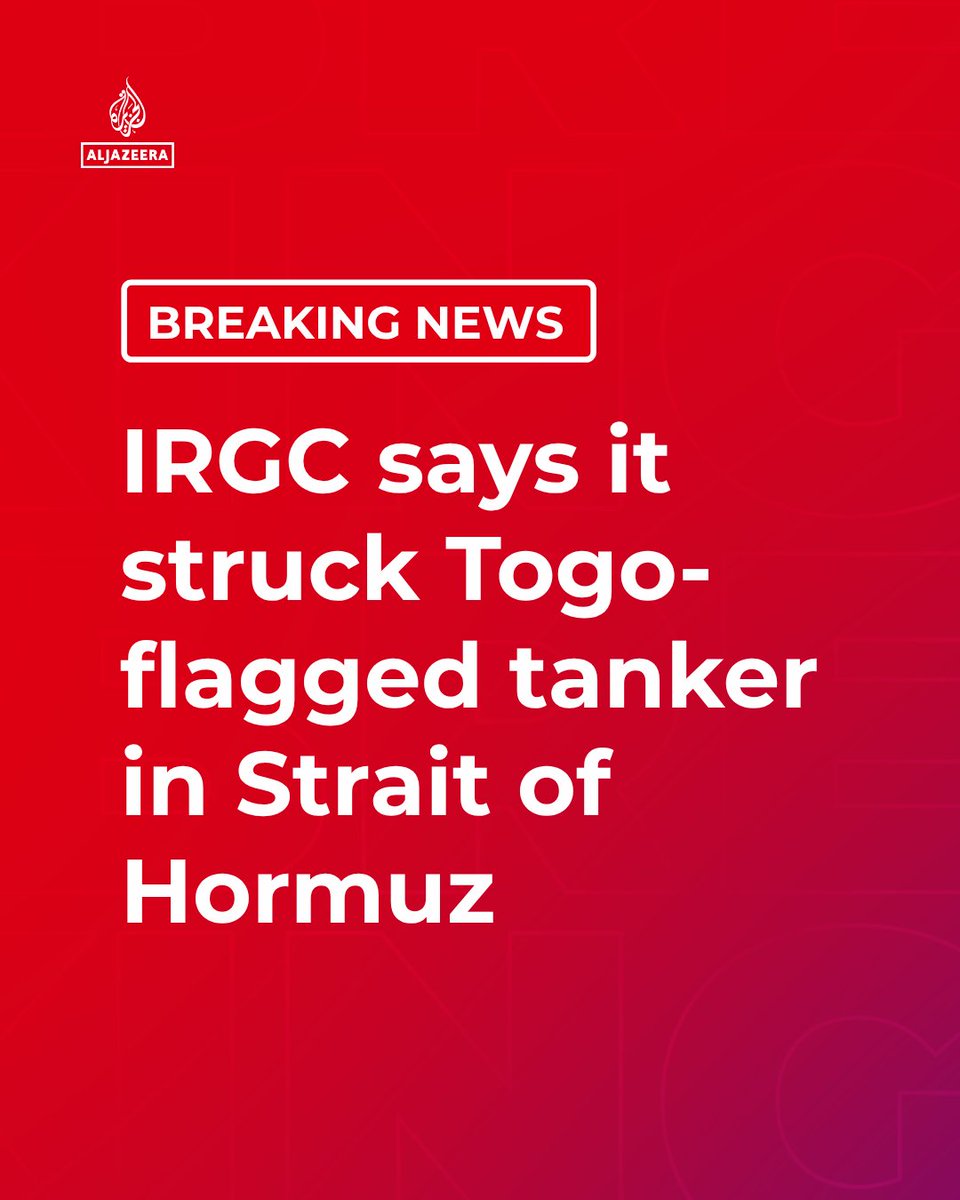
"BREAKING: Irans IRGC Navy says a Togo-flagged oil tanker was struck while attempting an illegal passage through the Strait of Hormuz. The tanker caught fire and came to a halt, Iranian state media reports. More on https://t.co/OwhgaIGyGh https://t.co/ggiMkNQHO2"
The Strait of Hormuz, a critical passageway for global oil shipments, has once again become a focal point of geopolitical tensions. Recently, Iranian state media reported that a Togo-flagged oil tanker was struck while purportedly attempting an illegal passage through this strategically important waterway. The incident has resulted in the tanker catching fire and subsequently halting its operations. With tensions in the region often running high, this latest event raises questions about maritime security and international shipping protocols.
Historically, the Strait of Hormuz has seen various incidents due to its economic significance, as it is a major transit point for oil exported from the Gulf region. The Iranian Revolutionary Guard Corps (IRGC) has a strong military presence in these waters, often asserting its authority through military maneuvers. While the IRGC's actions are framed as maintaining security in the region, critics argue that such actions could potentially exacerbate tensions between Iran and other nations. It's crucial to assess the legality of the tankers operations and the IRGC's response, especially given international laws governing maritime passage.
Countries relying on this passage, including those in the West and Asia, may react cautiously. Official responses may include calls for investigations or diplomatic discussions to resolve tensions. Furthermore, this incident could lead to enhanced naval patrols by other nations, particularly the United States and allied forces, to ensure safe passage through the Strait. International organizations might also weigh in, emphasizing the need for dialogue and potential legal proceedings to clarify jurisdiction and incident management.
As the world watches the developments, it is paramount that diplomatic channels remain open. Strengthening international maritime agreements could foster a more secure environment for shipping activities in the Strait of Hormuz. Collaborative efforts could yield benefits such as shared intelligence, coordinated naval exercises, and heightened cooperation in addressing illegal activities in the area. With ongoing tensions, it remains essential for countries to navigate these waters toward a peaceful resolution, thereby ensuring that critical oil supplies are safeguarded, and regional stability is maintained.


No comments yet. Be the first to comment!