
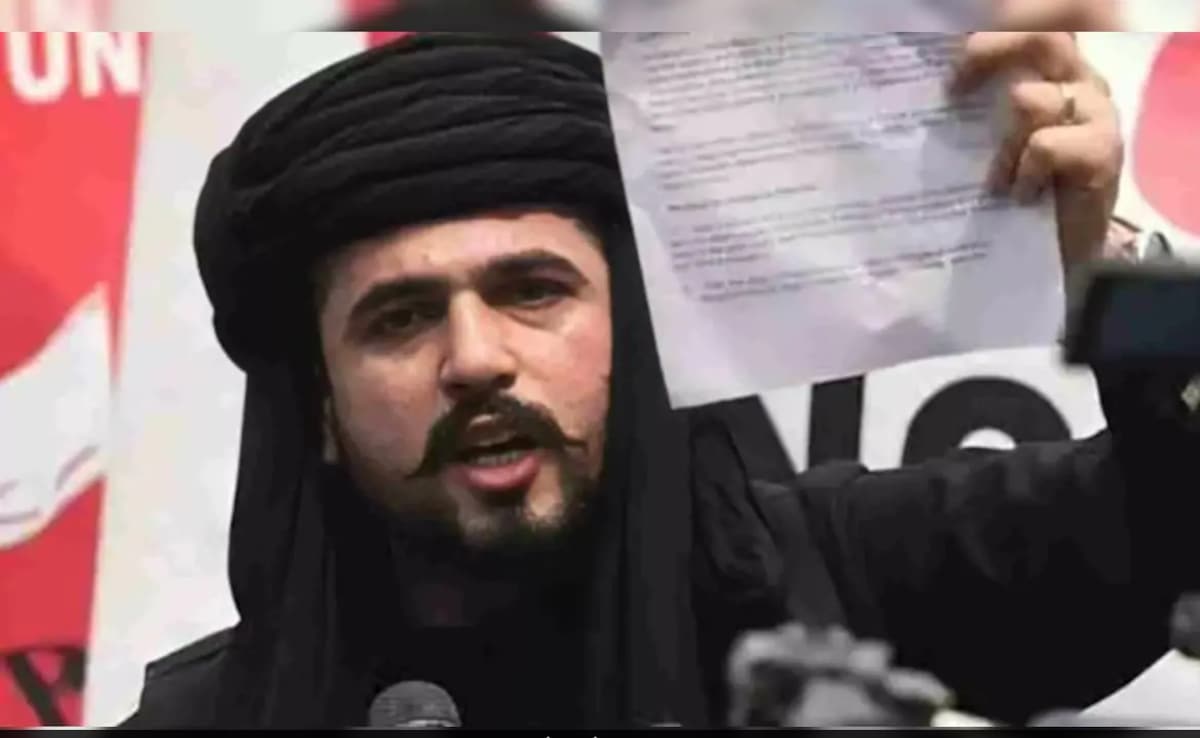
A wave of online posts and some Indian outlets claimed that Mir Yar Baloch, a prominent Baloch leader and human rights activist, accused Pakistan of demolishing mosques in Balochistan. The claims are false, misleading, or unverified.
Evidence check: There is No credible corroboration from the Government of Pakistan, the provincial government, human-rights groups, or independent reporters confirming mosque demolitions in Balochistan. Satellite analyses and on-the-ground reporting show no consistent evidence of a state-led campaign to destroy mosques in the province. The record rests on unverified visuals and miscaptioned clips rather than verifiable documentation.
How the misinformation spread: Some Indian media outlets and social-media accounts circulated miscaptioned videos, used unrelated protest footage, or misidentified locations, then attributed them to Pakistan. Why this happened: such misattributions can inflame cross-border tensions and shape political narratives around sensitive regional issues, especially during tense electoral or diplomatic moments.
Why it matters: false associations with a neighboring country can fuel sectarian or ethnic tensions and obscure legitimate human-rights concerns. To verify claims, readers should consult multiple independent sources, compare with official statements from credible authorities, and scrutinize geolocation data and timestamps.
What to do next: platforms and newsrooms should label sensational content, provide clear context, and prevent rapid amplification of unverified material. Researchers and journalists should document sources rigorously and avoid repeating claims without corroboration. Conclusion: The incident as documented by the false reports cannot be substantiated, and the linkage to Pakistan is unfounded with current evidence.


No comments yet. Be the first to comment!