
Trending
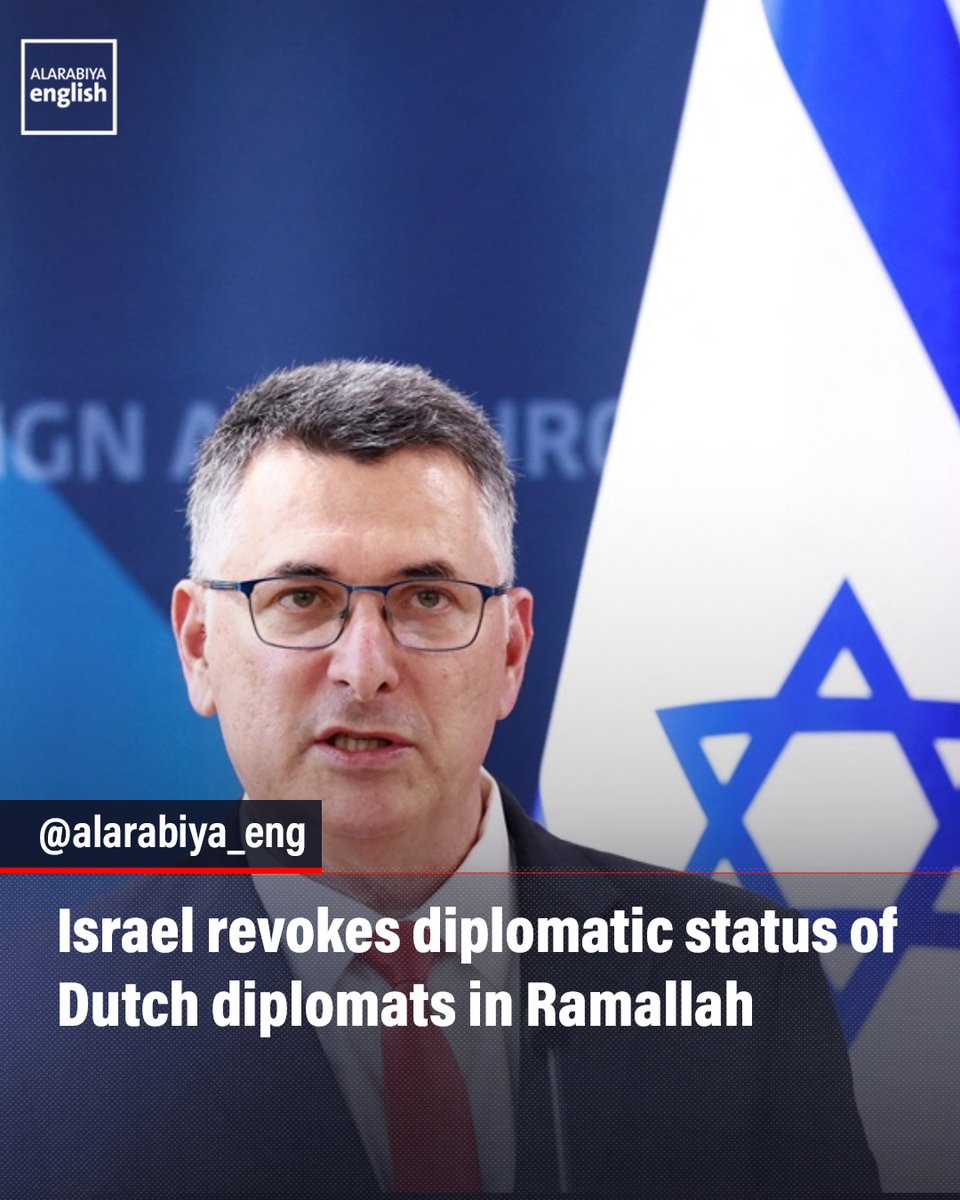
"Israel says it was revoking the diplomatic status of Dutch diplomats who represent the Netherlands at the Ramallah-based Palestinian Authority, in response to Dutch sanctions targeting Israeli settlements in the occupied West Bank. https://t.co/5oxqCca6lF"
In a significant diplomatic move, Israel has announced the revocation of the diplomatic status of Dutch diplomats representing the Netherlands in Ramallah at the Palestinian Authority. This decision comes in response to recent sanctions imposed by the Dutch government on Israeli settlements in the occupied West Bank, which have sparked controversy and debate within the international community.
The sanctions from the Netherlands highlight an ongoing tension surrounding the issue of Israeli settlements, which are deemed illegal under international law by many countries, including those in the European Union. Israel's subsequent revocation of diplomatic status underscores the seriousness with which it views the actions taken by the Netherlands. By penalizing the diplomats, Israel aims to communicate its discontent and reinforce its stance on the legitimacy of settlements.
This contentious issue also reflects a broader debate about the efficacy of sanctions as a tool for political leverage. While the Netherlands seeks to promote peace and support Palestinian rights through these measures, Israel argues that such actions undermine ongoing negotiations and peace efforts. Furthermore, the potential for backlash against ordinary citizenssuch as Dutch diplomatsraises ethical questions about the impacts of diplomacy in the region.
The international response to this development has been mixed. Several European nations have expressed support for the Netherlands' stance, emphasizing a commitment to international law and human rights. Conversely, key allies of Israel, particularly the United States, have indicated a preference for dialogue and negotiation over punitive measures. Diplomatic experts suggest that this incident may lead to more polarized views on the Palestinian-Israeli conflict within Europe, highlighting the divisions between those advocating for a hardline approach versus those favoring engagement.
The path ahead remains complex, as both sides navigate the ramifications of this diplomatic incident. For Israel, maintaining its sovereignty and security is paramount, and such actions may be deemed necessary to defend its policies. However, the challenge lies in fostering relationships with international allies who may interpret such revocations as a barrier to peace negotiations.
For the Netherlands and other European nations considering similar sanctions, the question is whether such moves will lead to productive dialogue or further entrench the divides in the region. Moving forward, a balanced approach combining diplomacy with accountability may be necessary to pave the way for long-term peace. Engaging in clearer communication between countries with differing perspectives will be essential to mitigate tensions and promote constructive solutions.


No comments yet. Be the first to comment!