
Trending
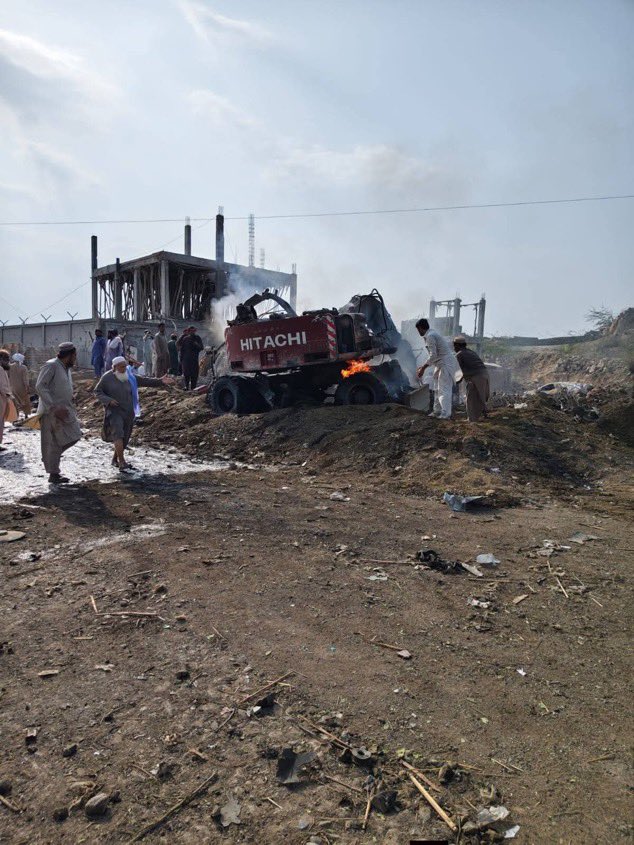
"Afghan-based terrorist group TTP has claimed responsibility for the suicide attack in Darazinda, Dera Ismail Khan, which martyred over 11 civilians and injured 30 others.Pakistan should resume airstrikes in Afghanistan and strike TTP hideouts harder than before. https://t.co/21xV873b4s"
On March 18, the Tehrik-i-Taliban Pakistan (TTP), an Afghan-based terrorist organization, executed a devastating suicide attack in Darazinda, Dera Ismail Khan, resulting in the tragic loss of over 11 civilian lives and injuring approximately 30 others. This incident underscores the prevailing security challenges Pakistan faces due to cross-border terrorism, with the TTP continuing to pose a significant threat to the stability and safety of the region.
In recent months, the TTP has intensified its operations, exploiting the security vacuum created by the shifting political landscape in Afghanistan. The group, which seeks to impose its extremist ideology, has been emboldened by perceived leniency in military responses. Pakistan's government and military are grappling with how best to counter these threats while also addressing humanitarian concerns and the grievances of the affected populations.
Moreover, criticisms have surfaced regarding the adequacy of Pakistan's current strategies against such terrorist groups. Calls for resuming airstrikes against TTP hideouts in Afghanistan have gained traction, with supporters arguing that stronger military action is necessary to deter further attacks and ensure that perpetrators face immediate consequences for their actions.
The international community's reaction to the attack has been one of concern and condemnation. Security analysts recommend that neighboring countries engage in cooperative efforts to combat terrorism, enhancing intelligence-sharing and joint operational capabilities to dismantle networks like TTP. Additionally, organizations such as the United Nations have reiterated their support for Pakistan's right to defend its sovereignty while urging for a balanced approach that prioritizes civilian safety.
As Pakistan confronts these challenges, there is a growing consensus that a multifaceted approach is essential. This must incorporate enhanced military measures against terrorist sanctuaries while also investing in socio-economic development to address the root causes of extremism. Community engagement, educational initiatives, and meaningful dialogue with marginalized groups should play a pivotal role in crafting a more comprehensive counter-terrorism strategy.
While the path forward is fraught with difficulties, the resilience and determination of the Pakistani people offer a glimmer of hope as the nation seeks to heal from this tragedy and fortify itself against future threats.


No comments yet. Be the first to comment!